

Tsimanampetsotsa National Park: A Hidden Treasure in Southern Madagascar
Tsimanampetsotsa National Park is located in southwestern Madagascar, near the coast of the Atsimo-Andrefana region. Far off the beaten path, this little-known site offers a total change of scenery, between lunar landscapes, endemic wildlife and absolute silence.
Tsimanampetsotsa at a glance
- Location: southwestern Madagascar, Atsimo-Andrefana region
- Central feature: Lake Tsimanampetsotsa, a vast salt lake
- Meaning of the name: "lake without dolphins" in the local dialect
- Don't miss: flamingo colonies, sacred caves
- Wildlife: lemurs, reptiles, water birds
- Atmosphere: authentic destination, very lightly visited
Why does Lake Tsimanampetsotsa change color?
The heart of the park is occupied by Lake Tsimanampetsotsa, a vast, shallow salt lake, often milky white during the dry season. This unique lake takes its name from the local dialect: "Tsimanampetsotsa" means "lake without dolphins" — a nod to the fact that no aquatic life survives there due to its high salinity. But what stands out most is its shifting colors. From brilliant white to powdery pink, through shades of blue-gray, the landscape is a living painting, especially at sunrise or sunset.
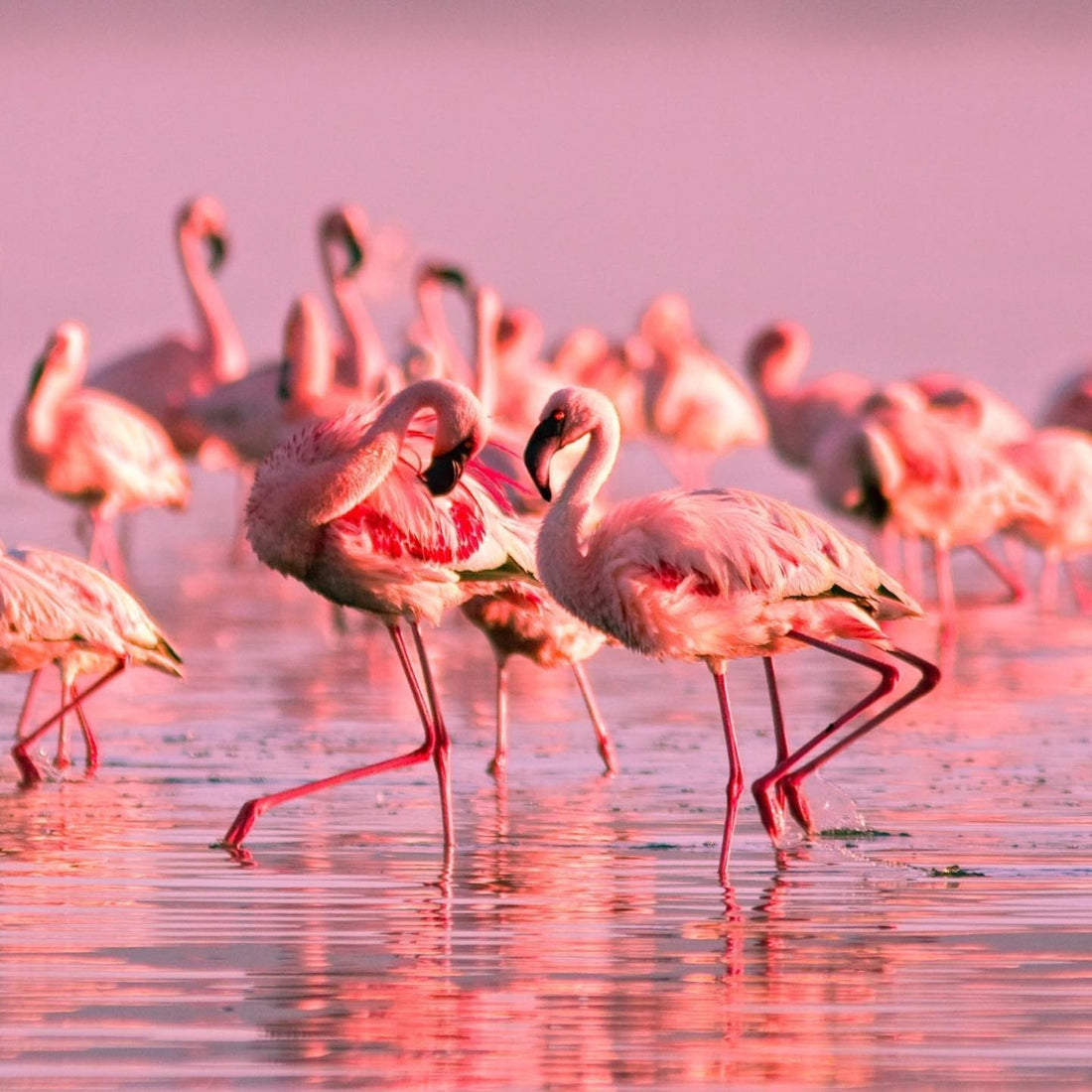
The kingdom of pink flamingos
The park is one of the rare places in Madagascar where you can observe colonies of pink flamingos in the wild. Their slender silhouette and graceful movements add a poetic touch to this already striking setting. Other water bird species are also present, making the park a prime spot for bird-watching enthusiasts.
Unique biodiversity despite the aridity
Despite its apparent aridity, Tsimanampetsotsa is home to exceptional biodiversity. Several species of lemurs and reptiles live here, alongside flora typical of the Malagasy south, with endemic trees, giant euphorbias and other drought-adapted plants. The park is also home to sacred caves, limestone formations and spectacular baobabs.
Frequently asked questions
Can you swim in Lake Tsimanampetsotsa?
No, its very high salinity prevents any aquatic life and swimming isn't recommended; the lake is best admired from its shores.
What's the best time to see the pink flamingos?
Pink flamingos are present much of the year, but spotting them is easier during the dry season, when lower water levels better reveal their feeding grounds.
How do you get to Tsimanampetsotsa National Park?
The park is accessible from Tuléar, the region's main departure point, via a track that generally requires a 4x4 vehicle.
In short, Tsimanampetsotsa National Park is a discreet gem, far from the tourist bustle. It's an ideal destination for travelers seeking authenticity, raw nature, and moments suspended in silence. A place that reveals itself slowly, but stays long in the memory.
📸 Robru
--
And if you'd like to take home a visual souvenir of this magical place, discover our Tsimanampetsotsa-inspired poster: a touch of southern Madagascar to hang at home.
